
K-12 and higher education projects share many of the same fundamentals, but the way they are planned, approved, and experienced can differ significantly.
From DSA oversight to funding structures and daily use, each environment brings its own set of priorities and constraints. Understanding these differences early helps shape a more effective approach, one that aligns with how each campus functions and how students interact with their spaces.
A Shared Framework, Applied Differently
Both K-12 and community college projects are reviewed through the Division of the State Architect. While the approval process is consistent, the way projects are designed within that framework can vary.
K-12 environments tend to be more structured. Schedules are fixed, supervision is constant, and spaces are designed to support a defined curriculum. Clarity, safety, and visibility are essential drivers of the design.
Higher education environments operate differently. Students move independently, spend longer periods on campus, and use spaces in more varied ways. This requires environments that are more adaptable, allowing for a mix of formal and informal learning, collaboration, and individual use.
The framework may be shared, but the response to it is not.
Designing for How Students Use Space
One of the most important differences between K-12 and higher education is how students engage with their environment.
K-12 campuses are typically designed within a more structured framework. Classroom sizes, staffing ratios, and supervision requirements are clearly defined, shaping environments that prioritize safety, visibility, and consistency. These spaces support students who rely more heavily on guidance throughout the day, and design solutions often follow well-established parameters.
In contrast, higher education environments allow for greater flexibility in how space is planned and used. Students move independently, follow varied schedules, and engage with the campus in different ways throughout the day. This drives the need for adaptable environments that support a range of learning styles, from structured instruction to informal collaboration.
This flexibility also extends to emerging building strategies. Projects such as student housing introduce larger and more complex program types, where approaches like modular construction require a more nuanced level of coordination and review. These conditions differ significantly from K-12 environments and often require teams to navigate new considerations within existing approval frameworks.
Community Colleges as a Bridge
Community college environments often serve as a bridge between K-12 and four-year institutions, blending elements of both in how they are planned and used.
As Principal Joshua Smith, AIA, LEED AP B+C, notes, “Community college environments often serve as a bridge between K-12 and four-year institutions, blending elements of both in how they are planned and used. Students are typically commuter-based and engaged in a wide range of academic and career-focused programs, which shapes the need for spaces that support both structured instruction and independent, extended use. While the range of resources is not as expansive as a four-year campus, these environments require greater capacity and flexibility than K-12, with spaces designed to accommodate varied schedules, hands-on learning, and evolving program needs.”
This balance creates a unique design challenge that requires careful coordination among program needs, user behavior, and project delivery requirements.
Different Pathways, Different Considerations
Approval pathways also influence how projects move forward.
K-12 and community college projects follow DSA requirements, which provide a clear and structured review process. With the right level of coordination, this can support a predictable path to approval.
Four-year institutions often follow internal review processes, which can offer more flexibility but also require alignment with campus standards, long-term planning goals, and institutional priorities.
Each pathway requires a slightly different approach to coordination, documentation, and decision-making.
Evolving Expectations Across All Levels
While these environments differ, both are evolving.
K-12 campuses are increasingly incorporating flexible, hands-on learning environments that respond to changing curriculum needs. At the same time, higher education spaces are becoming more intentional in how they support student well-being, collaboration, and connection.
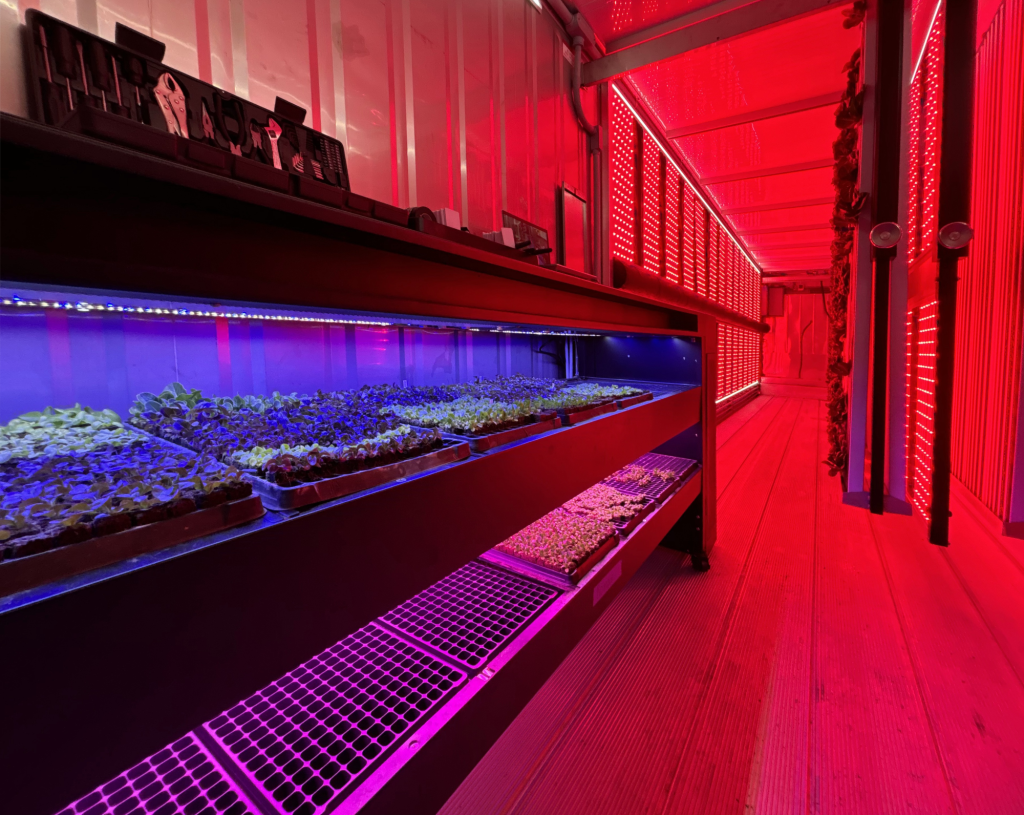
Projects such as the Magnolia Agriscience Community Center demonstrate how these ideas can take shape. Designed as one of the first DSA-approved freight farm facilities in Southern California, the project expands what a K-12 learning environment can be by blending hands-on education with real-world application.
Across all levels, there is a shared opportunity to rethink how space supports learning.
A Thoughtful Approach to Every Environment
While K-12 and higher education projects differ in structure, approval pathways, and user behavior, the underlying goal remains the same: to create environments that support students and the way they learn.
Westgroup Designs brings experience across K-12, community college, and higher education environments, from campus modernizations to specialized facilities and new construction. This perspective allows each project to be approached with a clear understanding of its context, its users, and its long-term goals. By recognizing what makes each environment unique, projects can move beyond meeting requirements and begin to shape more meaningful, effective places for learning.
For more information on our K-12 and Higher Ed practice, contact Jason Woolley.
DSA approval plays a central role in every K-12 project in California. When approached strategically, it does not have to slow a project down; it can help strengthen it.
With decades of experience navigating DSA requirements across projects of all sizes, from targeted campus improvements to large-scale ground-up facilities, a clear pattern emerges. The most successful projects treat DSA not as a milestone at the end of design, but as an ongoing process shaped by early alignment, clear documentation, and consistent communication.
Start Early and Align the Team
Successful projects begin with early coordination.
Bringing architectural, structural, and MEP teams together at the outset creates a shared understanding of the project from day one. Code, accessibility, and life safety requirements are not layered on later; they are built into the foundation of the design. This level of alignment helps identify conflicts early, reduces revisions during review, and supports a more predictable path forward.
Integrate DSA Into the Design Process
DSA requirements are most effective when they are part of the design, not something applied after.
Early coordination with agencies such as the State Fire Marshal and California Department of Education helps align design decisions with funding, compliance, and operational goals. Just as important is establishing clear lines of communication with DSA during this phase. Familiarity with review processes and maintaining open, professional relationships can lead to more timely and thorough responses to questions, allowing teams to move forward with greater clarity and confidence.
Prioritize Clear, Coordinated Documentation
Well-organized construction documents do more than communicate a design; they shape how that design is reviewed.
Consistency across disciplines, clear detailing, and thorough internal quality control allow reviewers to quickly understand intent and verify compliance. Projects that move smoothly through DSA review are often the result of documents that are thoughtful, coordinated, and complete.
Respond Strategically During Review
Even with strong preparation, responsiveness during DSA review is essential.
Coordinating responses across disciplines and addressing comments comprehensively helps maintain momentum through backchecks. Clear, consistent communication with reviewers builds alignment and supports a more efficient path through the process.
Plan for the Full Process, Not Just Approval
DSA involvement continues through construction and into project closeout.
Organizing record drawings, inspection reports, and certification documentation early creates a smoother path to occupancy. Strong communication during construction is equally important, particularly with DSA Inspectors of Record. Establishing clear, respectful working relationships helps teams navigate field conditions, resolve issues efficiently, and avoid unnecessary delays. In a process that involves many stakeholders, alignment and communication often make the difference in keeping a project on track.
Experience Makes a Difference
Teams familiar with DSA processes are better equipped to anticipate challenges, align stakeholders, and maintain progress.
Westgroup Designs has supported more than 300 projects through DSA approval, from small campus upgrades to large, multi-phase modernizations and new construction. The firm was also invited to participate in DSA’s pilot program for its digital Bluebeam review process, providing early insight into evolving workflows.
This experience informs a more proactive and coordinated approach, one that helps projects move forward with clarity, fewer surprises, and a more predictable path from design through certification.
Trabuco Hills High School stadium officially re-opened over the winter with WD’s design of a new track and field and upgraded adjacent facilities. With Trabuco Hills High School Athletics boasting the #1 Boys Track Team in Orange County and the football, lacrosse and track teams competing with top-notch OC talent, a new track and field has been a long time coming for athletes, coaches and fans alike.
The existing Trabuco Hills High School stadium previously housed a 10-year-old, deteriorating track and field with adjacent facilities over twenty years old. Saddleback Valley USD engaged Westgroup Designs to pump up the athlete and fan experience at the stadium. WD’s design of the new improvements include replacement of the existing synthetic turf with a more durable synthetic turf system; replacement of the existing asphalt base and track surface with a new urethane track and asphalt; and accessibility upgrades to the adjacent stadium facilities, including overall path of travel, drinking fountains, restrooms, bleacher seating, and assisted listening devices.
Trabuco Hills High School’s new track and field and stadium upgrades are the beginning of a series of improvements that WD is designing and delivering at Saddleback Valley USD’s high school campuses, including Laguna Hills, Mission Viejo and Trabuco Hills High Schools.
On April 5, the Coast Community College District Board of Trustees confirmed the selection of Westgroup Designs (WD) to provide planning and programming services to Coastline Community College, one of three colleges in the Coast Community College District. Coastline is a unique institution, serving both local and remote students through their four Orange County Centers and a robust distance-learning program.
WD will begin by creating a more collaborative workplace environment and a new 'one-stop' student services experience at Coastline’s College Center. At Coastline's three instructional campuses, WD will be working with stakeholders to provide integrated and technologically-enabled administrative and student support services for an enhanced educational experience, improved community engagement, and a cohesive branded-environment that reflects Coastline’s values.
Watch out SpaceX, There’s a New Inventor in Town.
Architectural Design Director, Kenneth Ong, AIA and his 6-year-old son, Ryan, engaged in a fun STEM activity at the Astounding Inventions 2017 event. Ryan had great fun building and launching several iterations to improve the design and durability of his rocket.
Who Needs an iPad When You Can Build Your Own Computer?
Director of Strategy, Renee Rose Andrade and her husband help their 6-year-old daughter, Aria, build her own Kano computer. Aria has an enduring interest in computer technology (aka iPads and iPhones), and now she has a blast learning to code games, art, music and even apps on her Kano computer.
Put the Elf Back on the Shelf. Leprechaun Traps Spark Creativity That’s as Good as Gold.
Senior Interior Designer, Vickie Nicola, CID and her 5-year-old-son, Gavin, create traps to capture mischievous Leprechauns in the weeks leading up to St. Patrick’s Day. Gavin builds the Leprechaun traps out of blocks, legos, and toys and then puts a coin in the center. The goal being to lure in the Leprechaun and have the structure collapse and trap him. It makes for exciting mornings when the family dog or cat knocks the trap down the night before, because Gavin is convinced his traps are working!
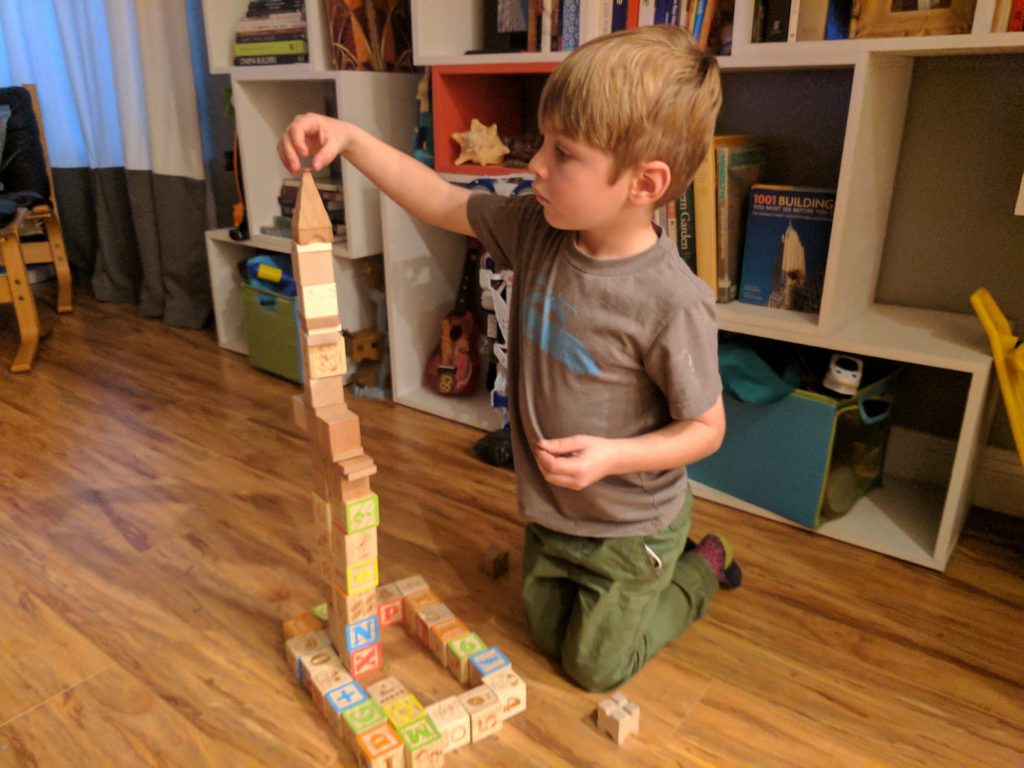
Learning is fundamentally social, and sometimes the best way to inspire learning is through play. On Saturday, April 30th, Westgroup Designs (WD), along with 48 other companies, participated in Irvine Public Schools Foundation (IPSF)’s Second Annual STEAM Carnival. This year’s event attracted over 3,000 attendees, featuring hands-on games and activities to local students related to Science, Technology, Engineering, Arts and Mathematics.
WD challenged students to solve their activity, Cubies, a 3D virtual puzzle. Children in kindergarten through 8th grade had to recreate a stack of 3D blocks using 2D orthographic drawings [top view, front view, side view.] Depending on the age and skill level of the student, the puzzle ranged from an easy composition of 4 blocks to several blocks of varying shapes. After a brief tutorial of 2D orthographic drawings and how they relate to the 3D virtual blocks, the students used the touchscreen display to rearrange the blocks in order to solve the puzzle.
Prizes included keychain Rubix cubes and a LEGO Architecture set of the New York skyline.
Funds raised from the IPSF STEAM Carnival go towards schools in the Irvine Unified School District and support district-wide programs such as Classroom Support, Fine Arts, Music, and Science, grants to teachers in the classroom, Summer Enrichment program and more.
To learn more about Irvine Public Schools Foundation, click here.