
Many public projects are not built on empty sites. They are constructed within active environments, where daily operations must continue alongside construction.
In these settings, phasing becomes more than a scheduling exercise. It is a strategic approach to maintaining continuity, protecting users, and ensuring that essential services remain uninterrupted.
Balancing Construction with Daily Operations
The most immediate challenge in phased construction is maintaining a safe and functional environment while work is underway.
This often requires clear separation between occupied spaces and construction zones, particularly in environments such as schools, healthcare facilities, and civic buildings where safety and accessibility are critical. At the same time, key facilities such as cafeterias, libraries, or shared spaces may need to be temporarily taken offline and replaced or upgraded.
Balancing these competing needs requires careful planning, sequencing, and coordination from the earliest stages of design.
Planning for What Cannot Stop
In occupied environments, certain functions cannot be paused.
Classes must continue, staff must be able to perform their roles, and core services must remain available. This requires identifying what must remain operational at all times and developing a phasing strategy that supports those priorities.
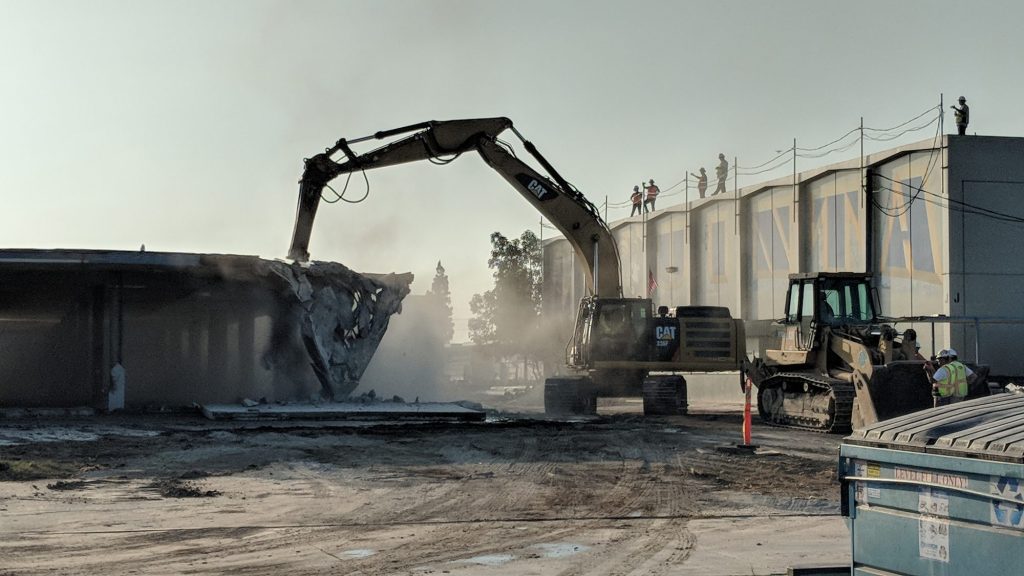
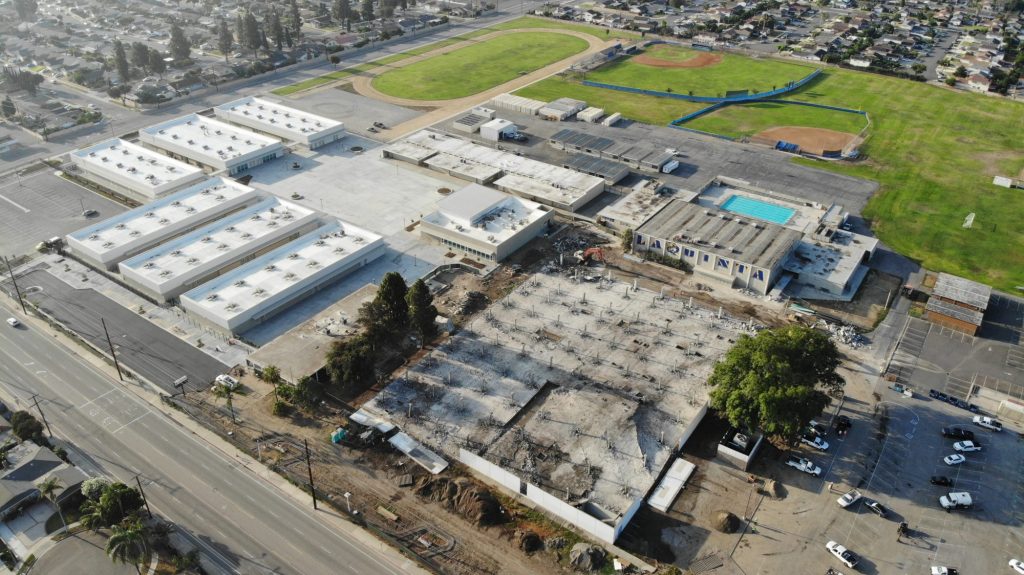
At Garden Grove Unified School District’s La Quinta and Pacifica High Schools, this meant maintaining full campus operations for more than 4,000 students while completing over 200,000 square feet of modernization and new construction across two campuses . Construction was organized into five phases, allowing new facilities to come online as older ones were renovated or replaced, without interrupting daily activities.
Sequencing as a Design Strategy
Effective phasing relies on more than dividing a project into stages. It requires sequencing that considers how spaces are used and how they can transition over time.
On the Garden Grove campuses, this included reconfiguring parking, circulation, and access points in parallel with building construction. Phasing diagrams mapped how areas would shift from active use to construction and back again, ensuring that essential functions such as student drop-off, parking, and campus circulation remained operational throughout the process.
This level of coordination allows projects to move forward while maintaining a sense of continuity for users.
Designing for Flexibility
Phasing is most effective when flexibility is built into the design.
Spaces that can adapt to temporary uses, support relocation, or accommodate shifting program needs make it easier to navigate construction without disruption. This flexibility allows teams to respond to changing conditions, whether that means relocating functions, adjusting circulation, or rethinking how spaces are used during construction.
These principles extend beyond education environments. In civic facilities, such as fire stations, maintaining operational readiness is essential. In healthcare settings, continuity of care is critical. In each case, the ability to adapt spaces and maintain functionality during construction directly impacts the success of the project.
Minimizing Disruption, Maintaining Experience
The goal of phased construction is not only to complete a project, but to preserve the experience of those using the space.
At Garden Grove USD, all phases were completed while maintaining uninterrupted campus operations. Classes continued without relocation, and students and staff retained access to essential services throughout construction.
When phasing is carefully planned and executed, the result is a process that feels seamless, even as a significant transformation is taking place.
A Strategic Approach to Phasing
Phased construction requires a clear understanding of how a facility operates, how it will evolve, and how to maintain alignment between design, construction, and user needs.
When approached thoughtfully, phasing becomes a tool that supports continuity rather than disruption. It allows projects to move forward while preserving the functionality and experience of the environment throughout the process.
Planning a project in an active environment? Let’s talk about how to keep operations running. Reach us at info@westgroupdesigns.com.
K-12 and higher education projects share many of the same fundamentals, but the way they are planned, approved, and experienced can differ significantly.
From DSA oversight to funding structures and daily use, each environment brings its own set of priorities and constraints. Understanding these differences early helps shape a more effective approach, one that aligns with how each campus functions and how students interact with their spaces.
A Shared Framework, Applied Differently
Both K-12 and community college projects are reviewed through the Division of the State Architect. While the approval process is consistent, the way projects are designed within that framework can vary.
K-12 environments tend to be more structured. Schedules are fixed, supervision is constant, and spaces are designed to support a defined curriculum. Clarity, safety, and visibility are essential drivers of the design.
Higher education environments operate differently. Students move independently, spend longer periods on campus, and use spaces in more varied ways. This requires environments that are more adaptable, allowing for a mix of formal and informal learning, collaboration, and individual use.
The framework may be shared, but the response to it is not.
Designing for How Students Use Space
One of the most important differences between K-12 and higher education is how students engage with their environment.
K-12 campuses are typically designed within a more structured framework. Classroom sizes, staffing ratios, and supervision requirements are clearly defined, shaping environments that prioritize safety, visibility, and consistency. These spaces support students who rely more heavily on guidance throughout the day, and design solutions often follow well-established parameters.
In contrast, higher education environments allow for greater flexibility in how space is planned and used. Students move independently, follow varied schedules, and engage with the campus in different ways throughout the day. This drives the need for adaptable environments that support a range of learning styles, from structured instruction to informal collaboration.
This flexibility also extends to emerging building strategies. Projects such as student housing introduce larger and more complex program types, where approaches like modular construction require a more nuanced level of coordination and review. These conditions differ significantly from K-12 environments and often require teams to navigate new considerations within existing approval frameworks.
Community Colleges as a Bridge
Community college environments often serve as a bridge between K-12 and four-year institutions, blending elements of both in how they are planned and used.
As Principal Joshua Smith, AIA, LEED AP B+C, notes, “Community college environments often serve as a bridge between K-12 and four-year institutions, blending elements of both in how they are planned and used. Students are typically commuter-based and engaged in a wide range of academic and career-focused programs, which shapes the need for spaces that support both structured instruction and independent, extended use. While the range of resources is not as expansive as a four-year campus, these environments require greater capacity and flexibility than K-12, with spaces designed to accommodate varied schedules, hands-on learning, and evolving program needs.”
This balance creates a unique design challenge that requires careful coordination among program needs, user behavior, and project delivery requirements.
Different Pathways, Different Considerations
Approval pathways also influence how projects move forward.
K-12 and community college projects follow DSA requirements, which provide a clear and structured review process. With the right level of coordination, this can support a predictable path to approval.
Four-year institutions often follow internal review processes, which can offer more flexibility but also require alignment with campus standards, long-term planning goals, and institutional priorities.
Each pathway requires a slightly different approach to coordination, documentation, and decision-making.
Evolving Expectations Across All Levels
While these environments differ, both are evolving.
K-12 campuses are increasingly incorporating flexible, hands-on learning environments that respond to changing curriculum needs. At the same time, higher education spaces are becoming more intentional in how they support student well-being, collaboration, and connection.
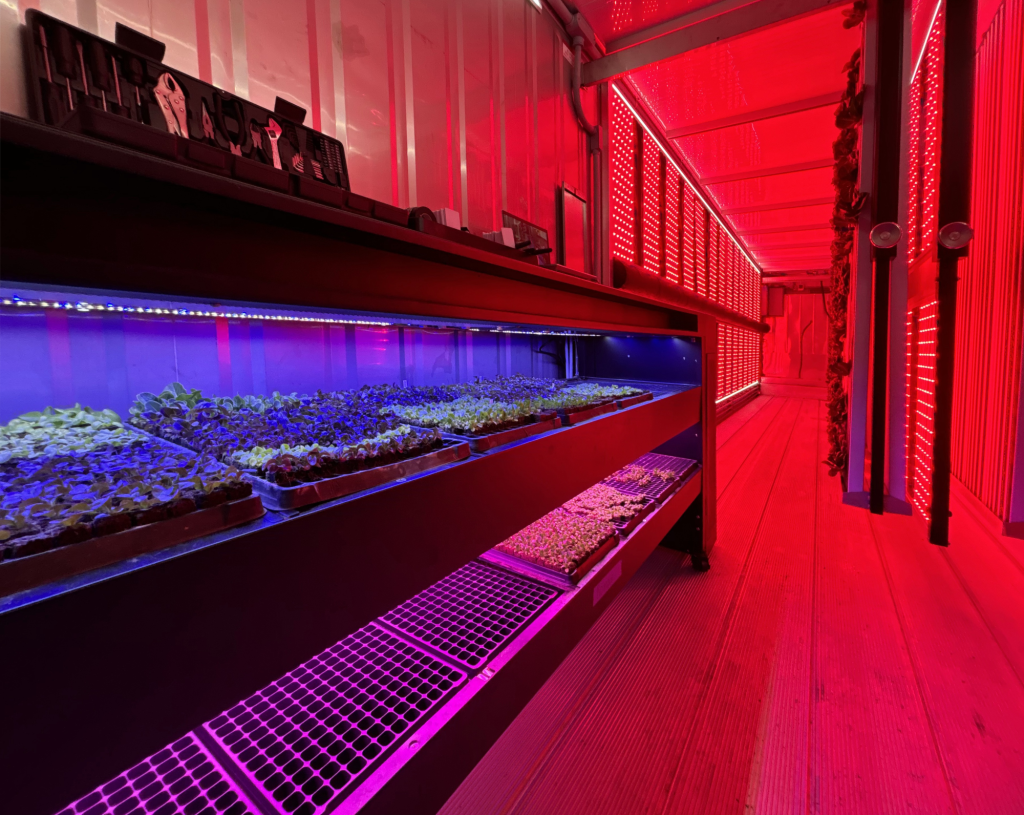
Projects such as the Magnolia Agriscience Community Center demonstrate how these ideas can take shape. Designed as one of the first DSA-approved freight farm facilities in Southern California, the project expands what a K-12 learning environment can be by blending hands-on education with real-world application.
Across all levels, there is a shared opportunity to rethink how space supports learning.
A Thoughtful Approach to Every Environment
While K-12 and higher education projects differ in structure, approval pathways, and user behavior, the underlying goal remains the same: to create environments that support students and the way they learn.
Westgroup Designs brings experience across K-12, community college, and higher education environments, from campus modernizations to specialized facilities and new construction. This perspective allows each project to be approached with a clear understanding of its context, its users, and its long-term goals. By recognizing what makes each environment unique, projects can move beyond meeting requirements and begin to shape more meaningful, effective places for learning.
For more information on our K-12 and Higher Ed practice, contact Jason Woolley.
Athletic programs do more than build strong bodies — they shape confident, resilient individuals. School districts continue to invest in new athletic facilities, and it’s critical to consider how the built environment can support not just physical performance, but the mental health and emotional well-being of student-athletes.
WD believes athletic design should take a holistic approach. Drawing from our extensive work in healthcare and behavioral health, we know how environments can influence recovery, focus, social connection, and long-term wellness. When these insights are applied to K-12 athletic complexes, the result is a facility that empowers students to thrive — on and off the field.
The Mental Game: Why Design Matters
Athletes today are facing more pressure than ever. From academic expectations and competitive demands to the social dynamics of high school life, their mental wellness is a crucial factor in overall performance.
“Students should feel that their training environments are as supportive as they are challenging,” says Ken Ong, Director of Architectural Design at Westgroup Designs. “The spaces we create are not just for games and workouts — they’re places where young athletes reset, connect, and build confidence.”
Thoughtful programming and planning allow for spaces that encourage rest, mentorship, nourishment, and connection — all of which are foundational to mental health.
Design Strategies That Foster Wellbeing
1. Social spaces that build community
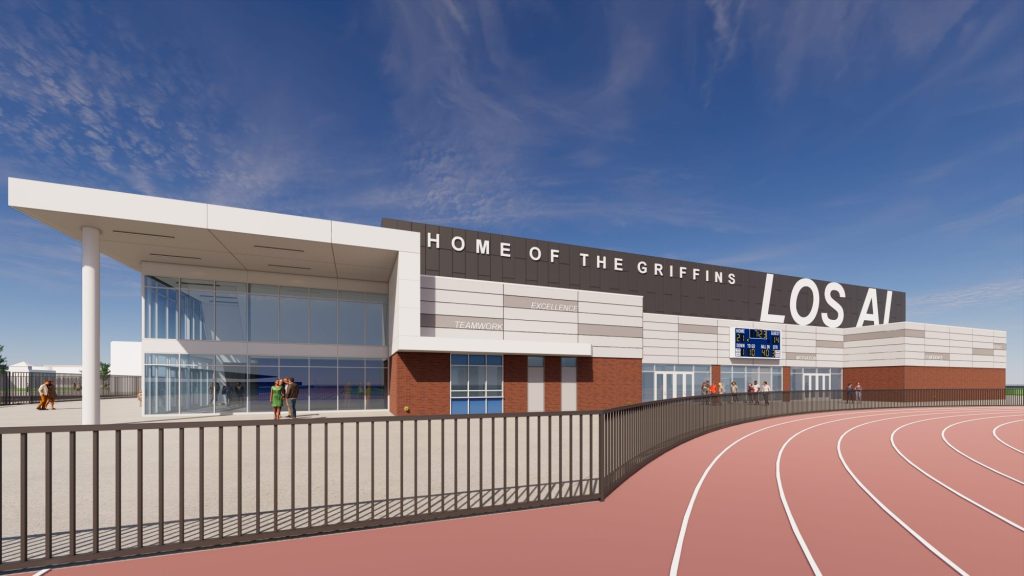
Athletics is often where lifelong friendships are formed. We prioritize spaces like team lounges, film rooms, and multi-use game rooms that foster camaraderie and inclusivity — not just for varsity starters, but for all students. In our upcoming gymnasium for Los Alamitos High School, the design features four team rooms and a film room — intentionally placed to encourage shared time before and after training sessions.
2. Spaces for recovery and rest
Just as athletes need to push their limits, they also need space to rest and recharge. Inspired by the calming, restorative environments we’ve created in behavioral health facilities, our athletic designs incorporate quieter zones and designated areas for reflection, stretching, or decompression. In Los Alamitos' gym, this includes dual outdoor plyometric spaces that serve as transitional zones between high-energy activity and restorative movement.
3. Nutrition-forward design
Our athletic spaces often feature concessions or nutrition stations that encourage healthy habits. And, when possible, we design adjacent spaces that accommodate chef demonstrations or educational nutrition programming — an approach we’ve borrowed from wellness facilities and brought into the student-athlete environment.
4. Visibility and mentorship
Where possible, we explore design opportunities that create visibility between youth programs, student-athletes, and coaching staff — reinforcing a shared culture of growth. Overlapping team rooms, transparent corridors, and shared training zones foster positive interaction and team spirit.
Turning Vision into Reality
Our work with school districts across California reflects this belief in holistic athletic design:
Supporting the Whole Athlete Mental health is not a standalone conversation. It’s a layer woven into every decision — from daylighting and acoustics to circulation and the location of gathering spaces. By incorporating lessons learned from decades in healthcare and behavioral design, we’re elevating the standards of K-12 athletic environments.
Branding is more than just a logo or tagline—it’s about creating a unique and memorable identity that resonates with customers and employees alike. At Westgroup Designs (WD), we believe that a brand’s physical environment should be an extension of its story, creating spaces that foster connection, pride, and purpose.
Our approach goes beyond aesthetics. By seamlessly integrating your brand into the built environment, we craft immersive experiences that reflect your values and enhance user engagement. Through services such as signage and wayfinding, environmental graphics, and art selection, WD helps transform spaces into powerful expressions of your identity, reinforcing organizational goals and aligning every detail with your mission.
Bringing Brands to Life in Physical Spaces
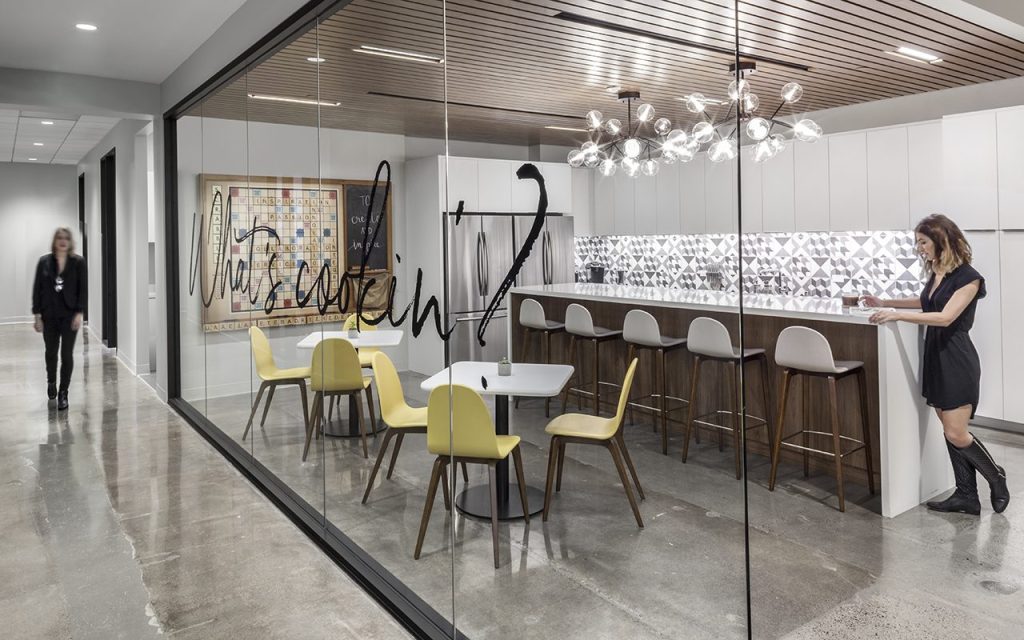
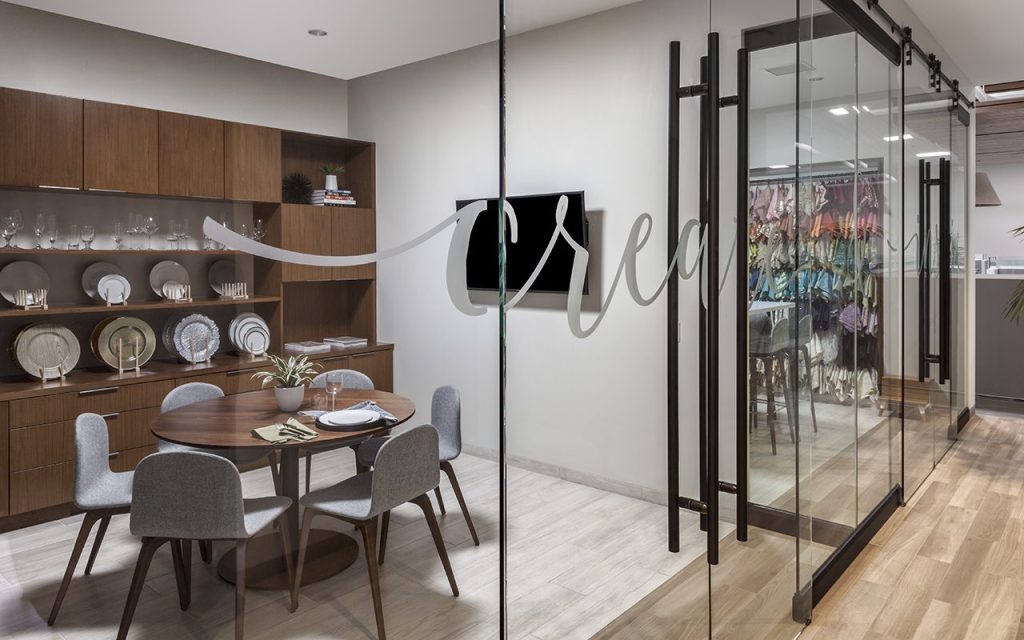
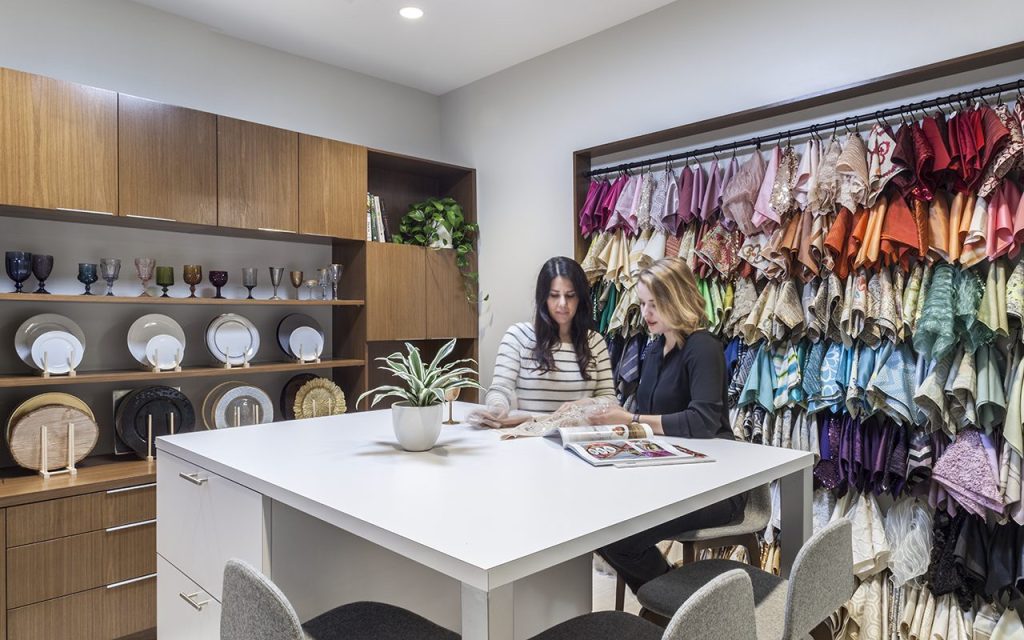
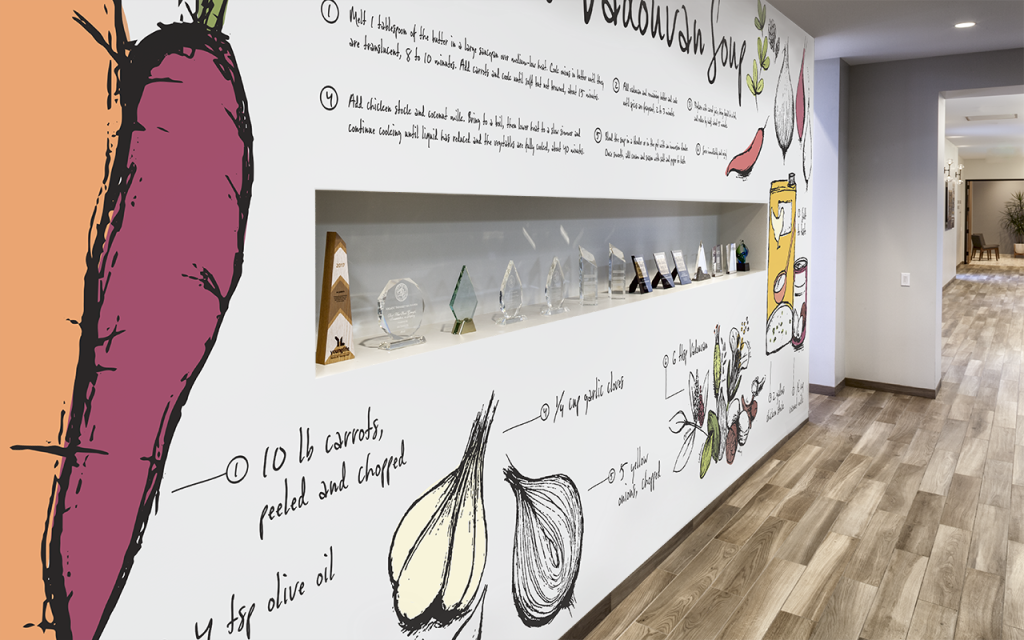
Branding is essential in shaping how people experience an environment, no matter the sector. For 24 Carrots, a premier catering and events company, WD developed an environmental graphics package that reflected their dedication to extraordinary events and personalized service. By weaving their brand values into the design of their corporate headquarters and production facility, we created a welcoming, inspiring space that showcases their commitment to excellence.
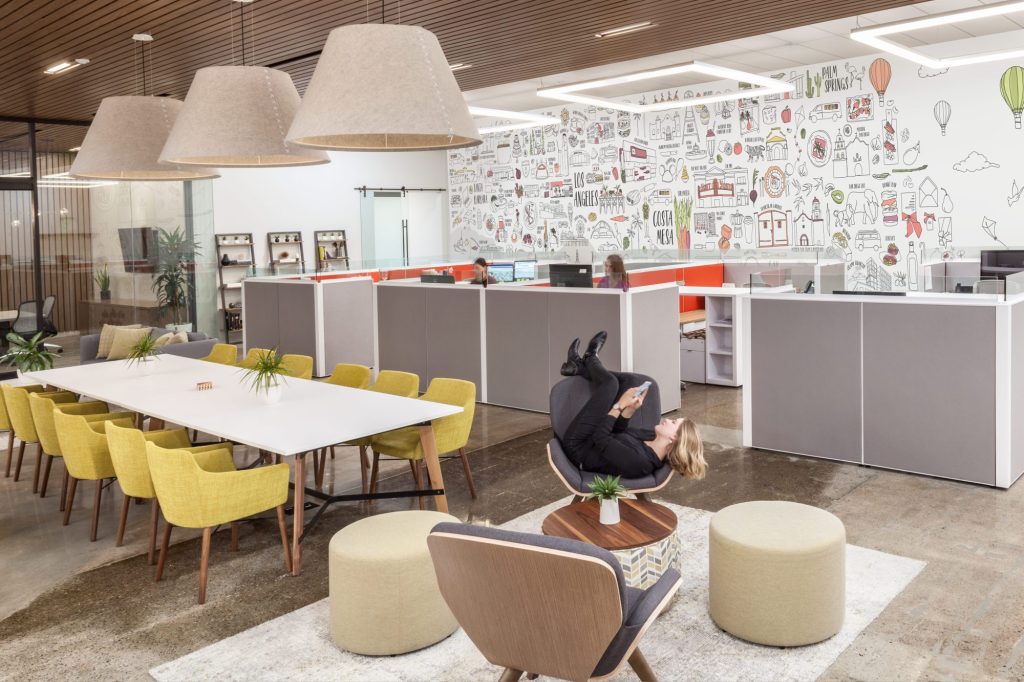
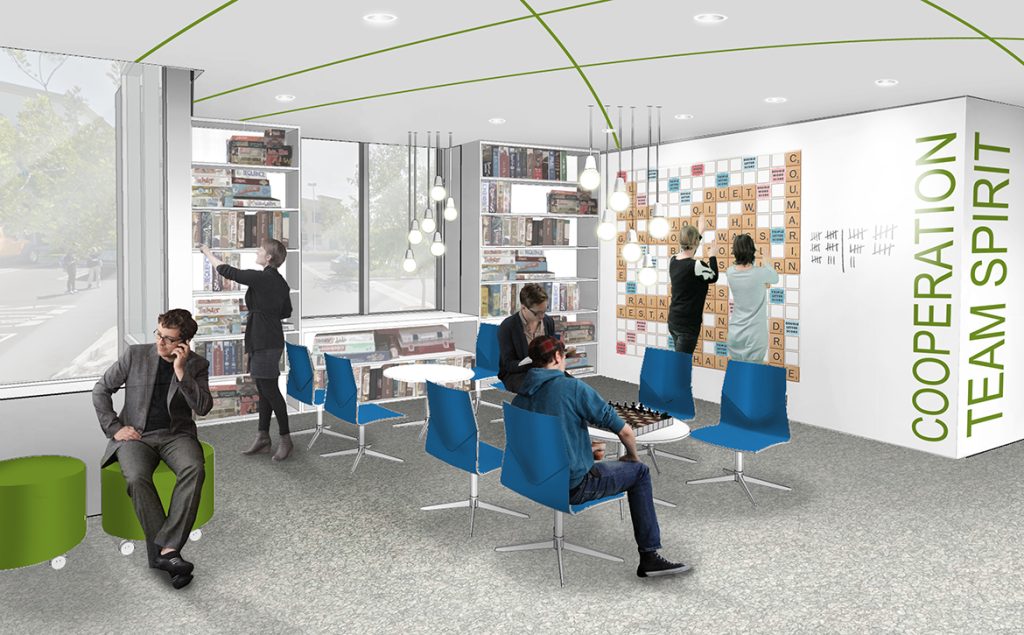
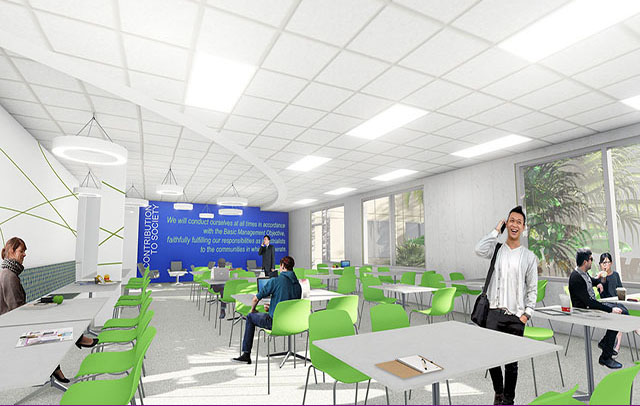
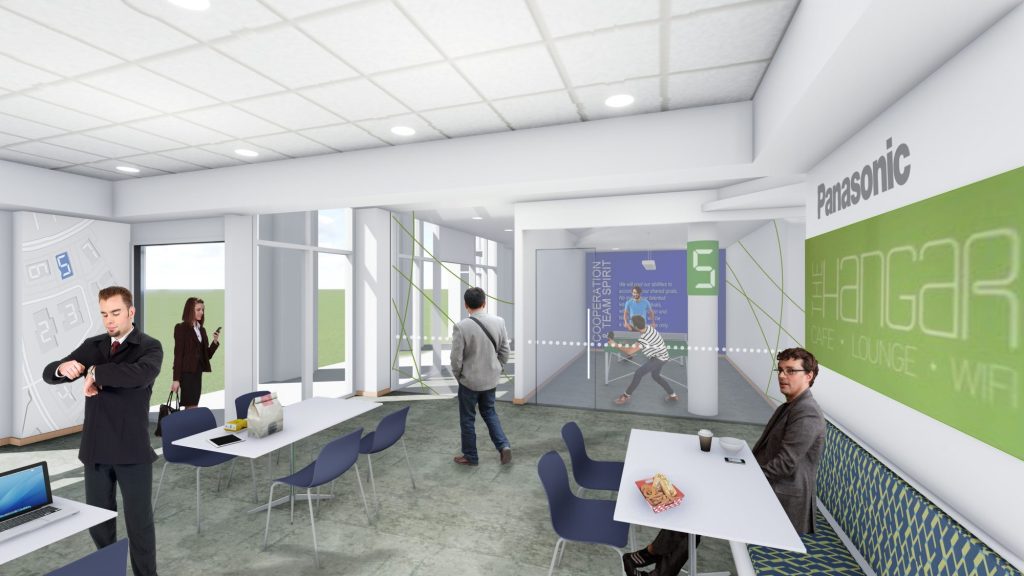
For larger-scale projects, like Panasonic Avionics’ global headquarters, WD’s expertise extended to workplace strategy, interior design, and environmental graphics. Across an 18-acre campus, we designed seven interconnected hubs that foster collaboration, relaxation, and engagement. Every element—from signage to interactive spaces—was designed to deliver a cohesive, impactful brand experience, ensuring the Panasonic identity is felt in every corner.
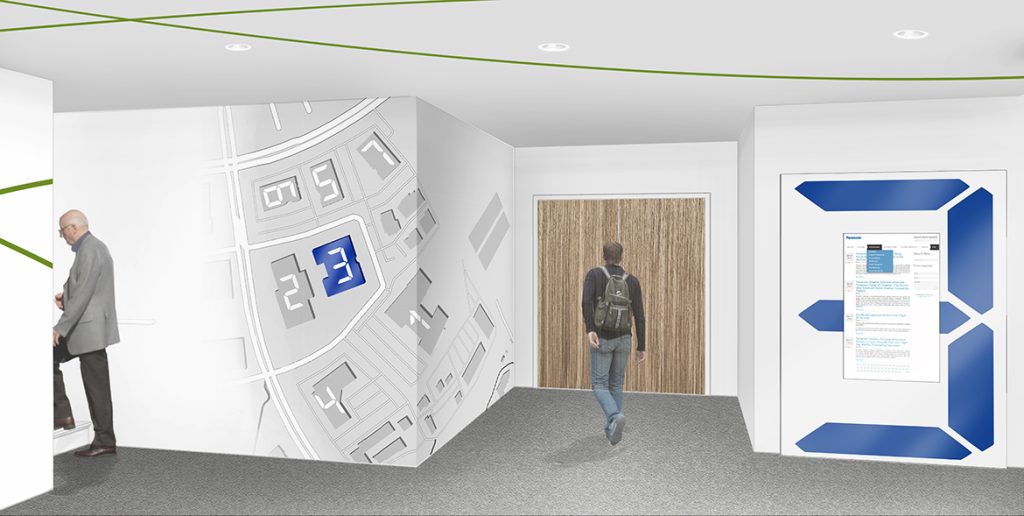
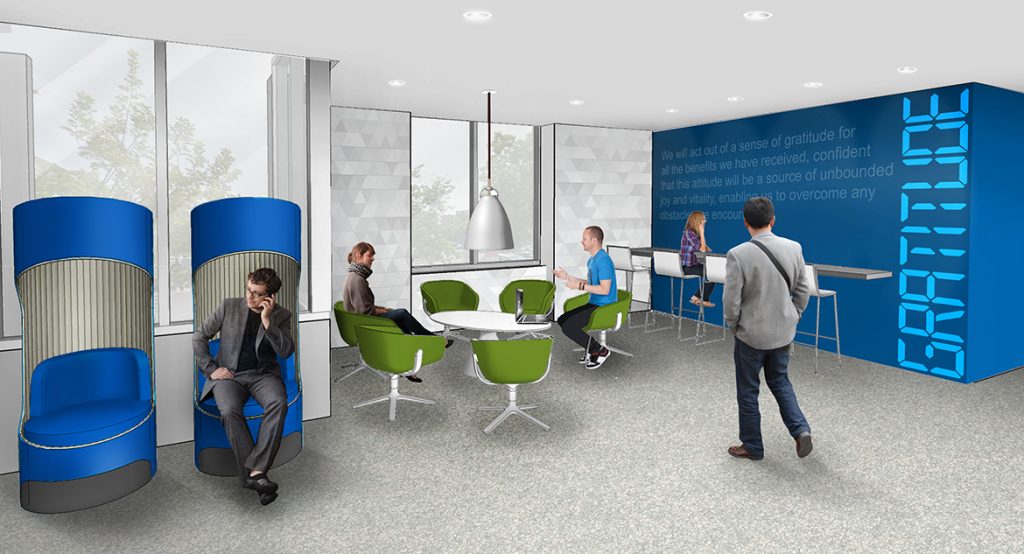
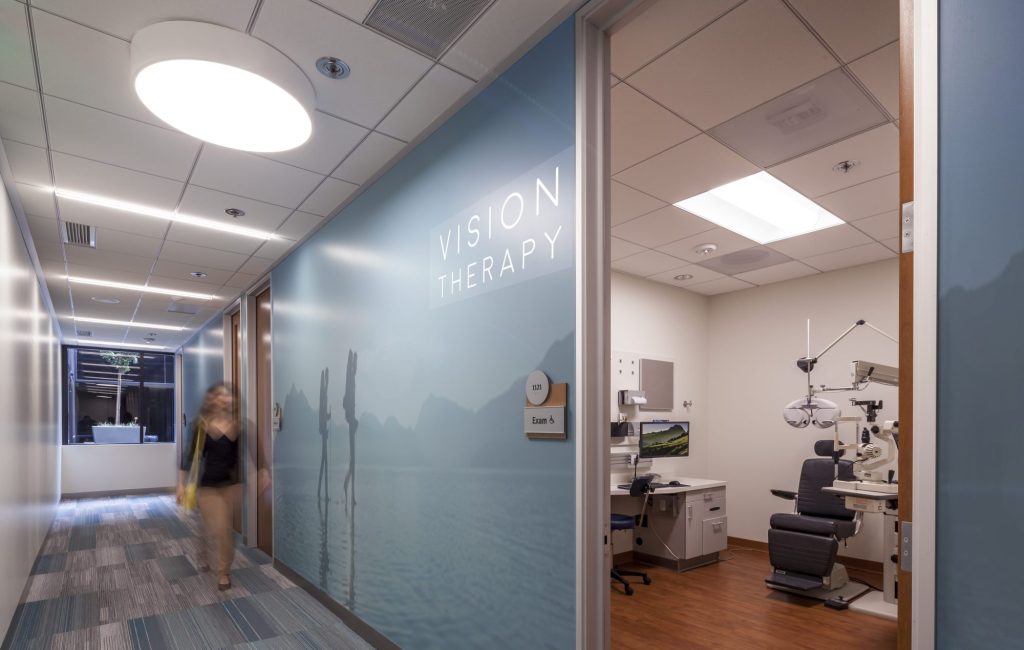
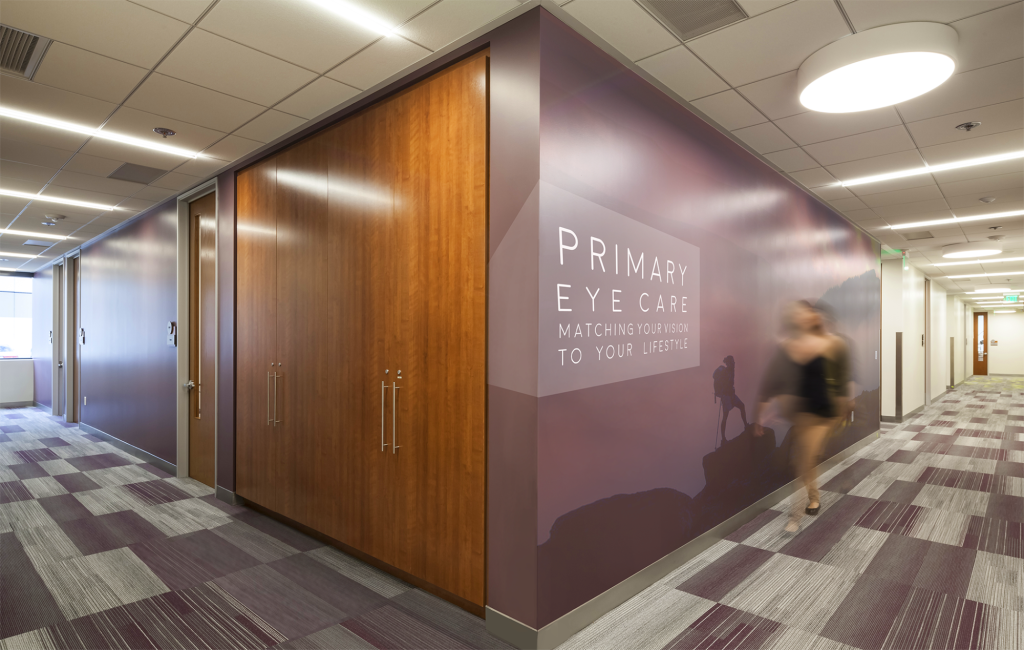
At Marshall B. Ketchum University’s Ketchum Health facility, branding was integrated to improve both functionality and user experience. We designed intuitive wayfinding systems and environmental graphics, using color-coded navigation and beacon lighting to assist patients with low visual acuity. These thoughtful design solutions not only enhanced accessibility but also reinforced the university’s identity, demonstrating how branding can serve both form and function in healthcare spaces.
Designing Spaces That Align with Your Mission
At WD, we specialize in creating environments that are a seamless extension of your brand’s mission and values. WD leverages design to achieve impactful results to drive our client’s mission, vision, and strengthen your organization’s goals.
Westgroup Designs painted a masterpiece at the annual IIDA Southern California Chapter's Fashion Show, capturing the essence of art in every detail! This year’s magnetic theme was "Where Art Meets Fashion," and our muse was the brilliant Georges Seurat and his groundbreaking Pointillism technique. With just 75 minutes on the clock, our team sourced fabric remnants and seamlessly integrated design material samples to evoke the pointillist magic of Seurat. We are thrilled to announce that our entry clinched first place!
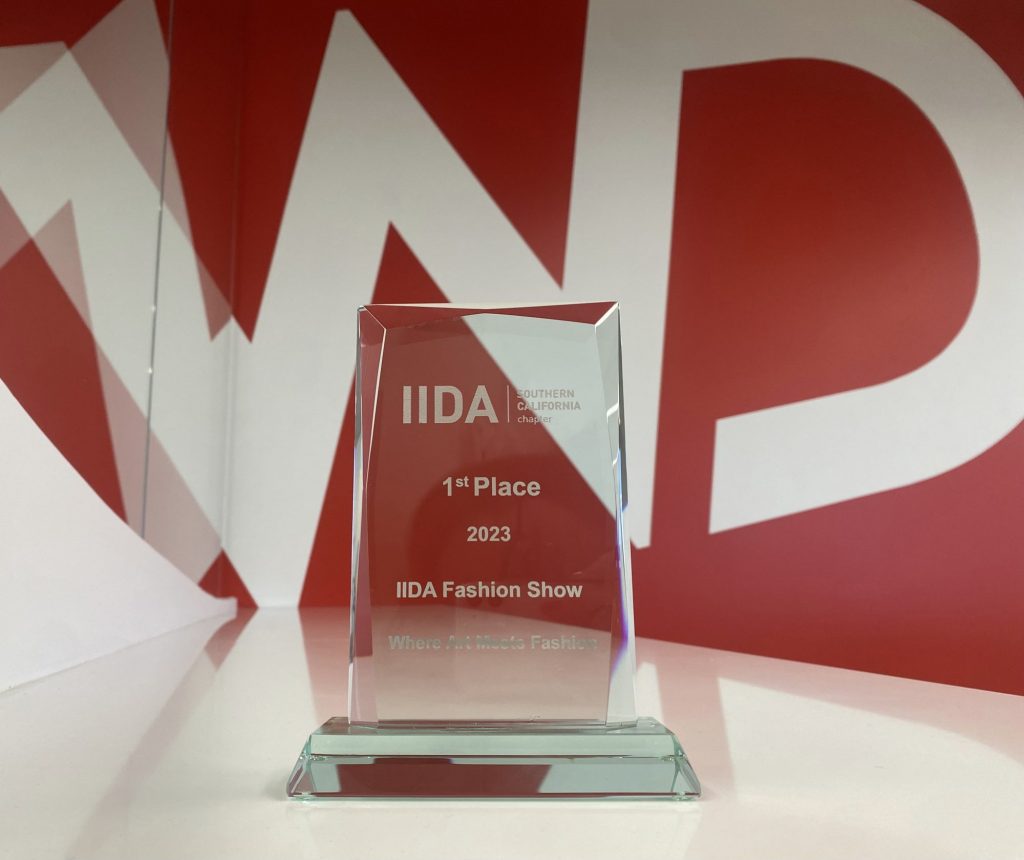
A heartfelt thank you to our generous sponsors, Rodenbeck Associates and C.F. Stinson, for their invaluable support in bringing our vision to life. See our performance below!
At the height of the digital age, our educational institutions are eager to transform the way students learn and collaborate. Westgroup Designs is fervently committed to pushing the boundaries of educational space design, preparing our future generations for a world where the importance of mobility, flexibility and technology allow for greater growth and innovation. Harnessing $1.5M CTE Grant Funding, we pioneered an ambitious project for Santa Ana Unified School District's Saddleback High School, setting the stage for the future of media labs in K-12 schools.
The Saddleback High School Digital Media Lab is a model of forward-thinking maker space with an industrial aesthetic, transforming two existing classrooms into state-of-the-art production and collaboration spaces. These revamped spaces are acutely attuned to the needs of today's tech-savvy, mobile-oriented students, enabling them to delve into the nuances of media production technologies. Comprised of two Broadcast Studios, a Podcasting Studio, six Edit Stream Suites, two Stage Suites, and a tech equipment workroom, these facilities echo the real-world media production industry: offering students a hands-on learning experience while honing their skills for the future.
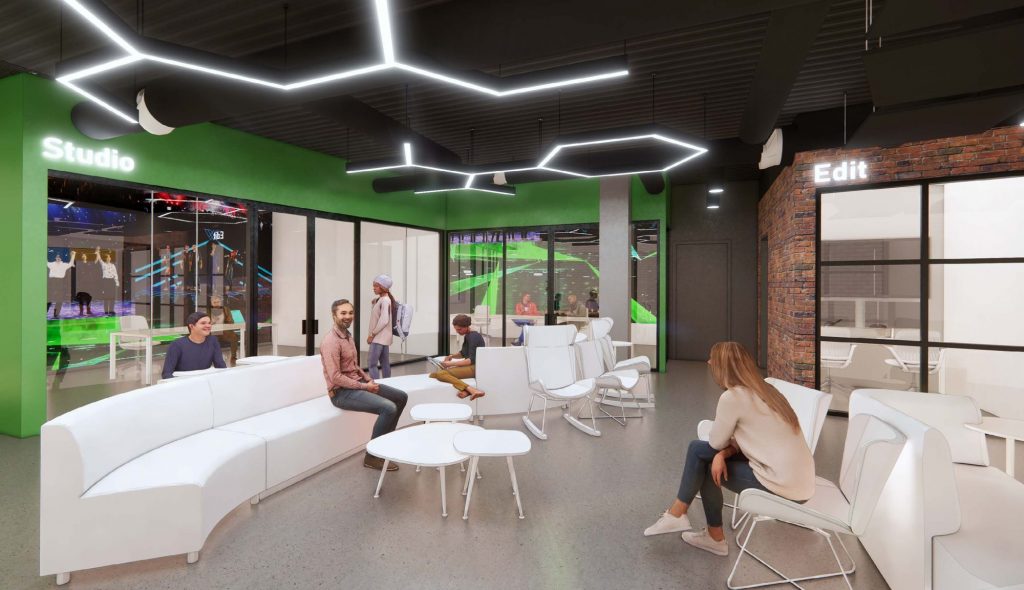
In addition to these specialized spaces, the project introduced a 2,600 square foot Collaboration Studio, equipped with flexible furnishings and movable partitions, that can accommodate multiple class configurations, fostering a conducive environment for idea exchange and creative thinking.
The Saddleback High School Digital Media Lab's success represents our broader vision for K-12 education design, where media labs will no longer be an auxiliary aspect of learning but a central, integrated part of the curriculum. We remain committed to the future of education, contributing to the creation of these inspiring spaces for learning and innovation and to be part of this transformative journey in educational environments.